



 del.icio.us
 Digg
Digg Facebook
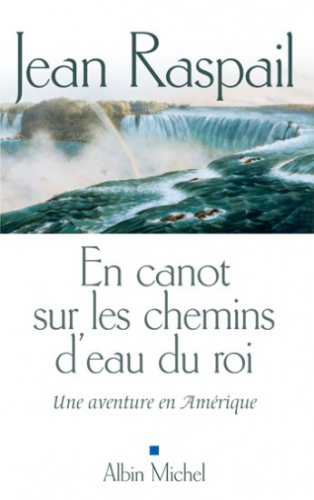
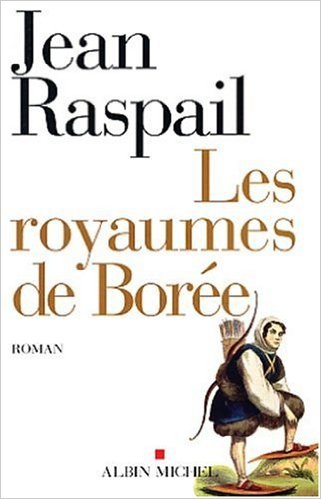 L’histoire se déroule du 17ème au 21ème siècle, elle est celle du duché de Valduzia, principauté onirique sise aux confins de la Carélie russe. Ses princes héréditaires se sont lancés à la conquête de ces vastes territoires vierges. Pour marquer la prise de possession, ils tracèrent une ligne hypothétique sur des centaines de lieues, la frontière. Les érecteurs de bornes croient marquer leur territoire et conjurer une improbable menace ou affirmer leur propriété en posant des pierres dans une lande de neige sans horizon. Au contraire, les petits hommes de la Taïga pressentent que la présence de ces curieux monolithes annonce leur fin prochaine. Ils comprennent que, désormais, ils devront reculer de forêt en forêt, jusqu’à la soixantième, avant de disparaître. En réponse, ils marquent leur présence au moyen de petits bâtons sculptés et ils lancent un avertissement: un javelot planté dans un arbre. Ces reliques, seules preuves de leur existence seront transmises de génération en génération et elles parviendront jusque dans les mains du narrateur, un professeur d’ethnologie qui tente de reconstituer la légende du petit homme.
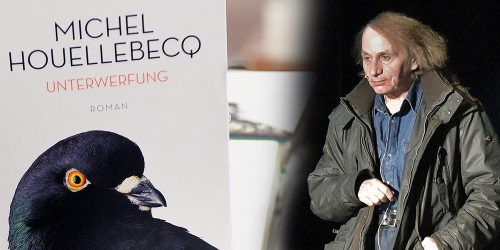
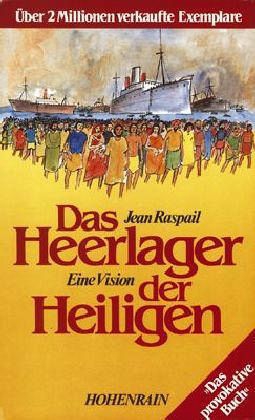 Lichtmesz: Vielen Dank an Herr Ladurner, dass er an diesen wichtigen Roman erinnert hat, der besonders die Leser der ZEIT erfreuen wird, wobei mir scheint, dass er nicht viel nachgedacht hat, als er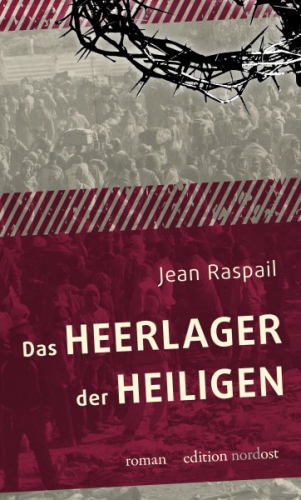
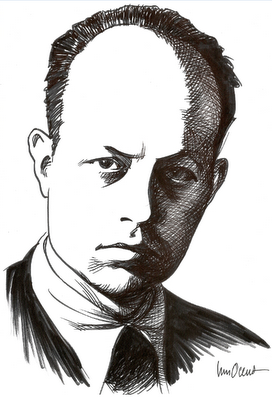 Hay un reclamo persistente en Drieu: “Voces falsarias y hueras me han acusado de que mi posición surge de un adaptarme a las formas políticas que se proyectan como victoriosas, en este momento de la guerra y que serían las dominantes en el futuro, todo ello es falso”
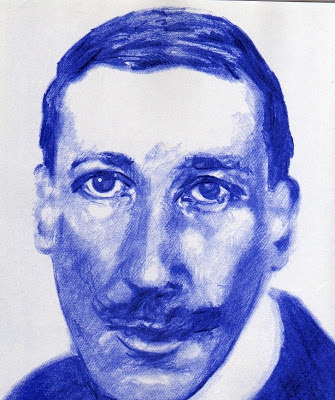 Sobre el particular apunta Drieu: “Me he convencido de que Guénon anuncia, con el lenguaje cifrado propio de la Tradición sagrada de los pueblos, que se aproxima un cambio drástico en la valoración de los hombres y en el sentido de la vida; en ello he visto a las nuevas fuerzas que se alzan contra los dogmas, al parecer inamovibles, de una civilización basada en el dinero, el materialismo y en formas políticas caducas”.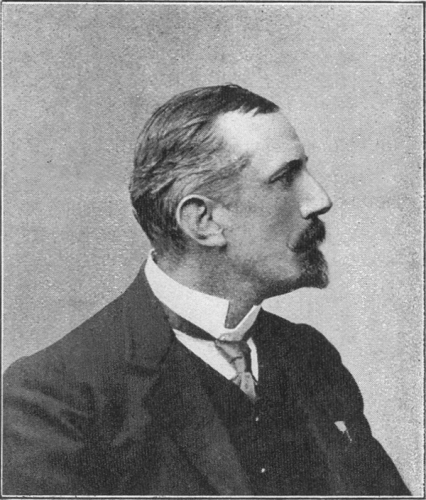
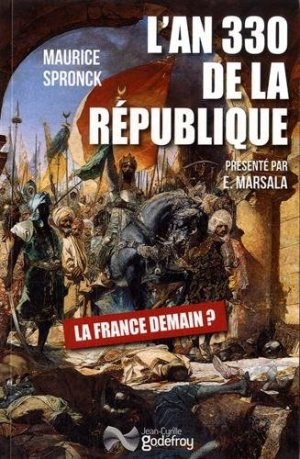 Influencé par Nietzsche et Carlyle, Maurice Spronck publie en 1894 une contre-utopie (ou dystopie). Thomas More, Francis Bacon, Tommaso Campanella pariaient sur l’avenir ou l’onirisme pour élaborer des systèmes politiques et sociaux parfaits dans lesquels les êtres humains s’épanouiraient harmonieusement au contraire de la dystopie popularisée par les écrivains de science-fiction et d’anticipation (Eugène Zamiatine, écrivain de Nous autres, Aldous Huxley dans Le meilleur des mondes, George Orwell avec 1984, René Barjavel pour Ravage, Ray Bradbury et son Fahrenheit 451). L’an 330 de la République fait de Maurice Spronck un étonnant précurseur.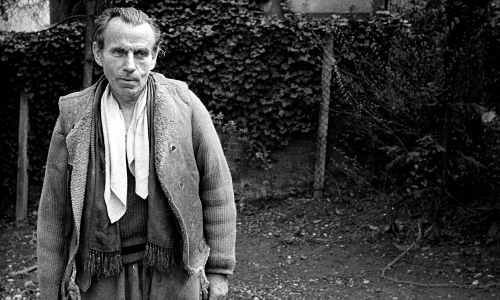
“The white people invented the atom bomb, and a little later they disappeared.”
—Louis-Ferdinand Céline, Rigodon
May 27th is the 121st birthday of French writer Louis-Ferdinand Céline (real name: Louis-Ferdinand Destouches)—avant-garde novelist, propagandist, dissident, and physician. In America Céline is mainly known for his first two dark, expressionistic novels, first published in the 1930s, and immediately recognizable in the iconic black-and-white New Directions paperback editions first issued in the 1950s and 60s.
It was lucky, perhaps inevitable, for New Directions publisher James Laughlin to grab the rights to those edgy novels and put them out under the noses of a generation or two of college students and literary hipsters. Because who were Céline’s biggest fans and proponents in 1950s? Why, the Beats of course, mainly W. S. Burroughs, Allen Ginsberg, and Jack Kerouac.[1] Their endorsement went a long way to taking the curse off Céline, positioning him as a transgressive, nihilistic proto-hipster, rather than one more half-cracked Nazi collaborator.
Because that’s the other thing about Céline, his other claim to fame. In the late 1930s he cranked out three heavy tomes of vituperation against contemporary culture and politics (beginning in 1937 with his notorious Bagatelles pour un massacre[2]), all of them denouncing Jewish power and influence. Come the Occupation, 1940-44, Céline moved in pro-Nazi, anti-Bolshevist literary circles, even though neither the Germans nor the French collabos had any use for him as a propagandist. He was too eccentric, vulgar, obscene. Nevertheless he and his wife were forcibly evacuated to Germany at “Liberation” in August 1944, and eventually found their way to Denmark where Céline was convicted in absentia on some vague charge (indignité nationale), though he was later granted amnesty in 1951.
Céline’s reputation in modern France is most peculiar. He has never ceased to be widely popular. His turgid late-30s political “pamphlets” aren’t officially in print or on the stands at the librairie, but most of his other work is readily available, in many editions. The French intelligentsia in particular regard Céline as a national treasure, a rock-star literary titan of the 20th century.
But you can’t just come out and say you like Céline. You have to hedge, apologize, denounce with faint praise. This is true even if you’re Jewish; even if you’re Nicholas Sarkozy. A few years ago, when the French government added Céline’s name to the roster of an upcoming national cultural celebration, critics and politicians went through a ritual of forelock-tugging as they defensively praised Céline as one of their favorite writers. [3] Shrugged President Sarkozy: “You can love Céline without being an antisemite, just as you can love Proust without being a homosexual!”[4]
* * *
I first read Céline forty-one years ago. (June 1973 . . . Watergate . . . Gemstone Stationery.) It was hot and muggy. I was on a bench at the end of the Christopher Street pier in Greenwich Village, and I was avoiding some work I should have been doing. I was in my teens but I knew these old people from the Beat crowd, and they had been talking about what an incendiary, verboten, pro-Nazi, anti-Semitic scamp this Céline person was supposed to be. Reading Céline—or having read Céline—seemed to be the mark of a sophisticate. So I sat there reading Journey to the End of the Night and Death on the Installment Plan over a couple of weeks (they were always prominently on display at Wilentz’s 8th Street Bookshop[5] ), plowing through them doggedly and wondering what the hell was so controversial about them.
Both novels are blackly comedic and semi-autobiographical. Journey to the End of the Night (Fr.: Voyage au bout de la nuit) is mainly a long picaresque tale that goes from Paris at the start of the Great War, to the Western Front, then to African jungles, then—weirdly, disjointedly—to an automobile plant in Detroit, and finally back to Paris again. The second book, Death on the Installment Plan (Fr.: Mort à crédit) is a series of sense-impressions from their author’s experiences working in a public medical clinic, with long hellish flashbacks to childhood and family life.
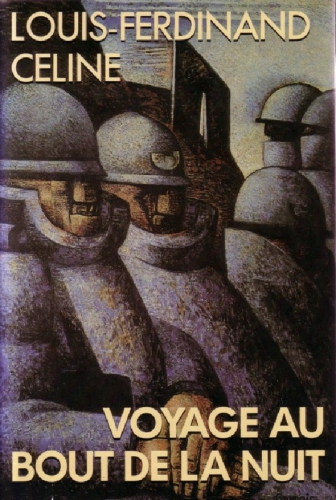 What sticks in memory from both books after lo! these many years, with scarcely a return dip in the meantime, is a miasma of filth, poor sanitation—in the trenches, in the slums, everywhere. (Curiously, Céline’s first book, his doctoral thesis in fact, was a biography of Ignaz Semmelweis[6], the father of obstetric antisepsis.) The obsessive disgust is very similar to the first part of Orwell’s Down and Out in Paris and London, which was written about the same time, so one author is unlikely to have influenced the other. Orwell was aware of Céline in the 1930s, since he mentions him in his essay on Henry Miller; but only just barely.
Far less popular in the English-speaking world are Céline’s last trilogy of “novels”: D’un chateau l’autre [2] (Eng.: Castle to Castle), Nord, and Rigadon. English translations of the last two exist, but are hard to find. This trilogy is much more pure memoir than the first two books, and arguably a bit more . . . accessible . . . once you get past the . . . self-indulgent, annoying, three-dot declamatory style . . . that Céline had become addicted to.
The three books describe the adventures of the narrator and his wife after they flee Paris in August 1944. At first their German keepers move them to the Berlin region, then they are transferred for several months to the famous castle of Sigmaringen, north of Lake Constance, where the government-in-exile of Vichy France are also being housed. Céline, acting as house physician, encounters the major players (Marshall Petain, Pierre Laval, etc.) up close, and draws some pathetic portraits of them as they veer from fear to fleeting hope to despair. Finally, the doctor and his wife leave the castle and follow a convoluted itinerary till they wind up in a hotel in Copenhagen where all seems matter-of-fact, bizarrely unaffected by the last five years of war.[7]
The trilogy falls into that very small genre of literature that one might call the Reich-Apocalypse Escape Memoir. As I say, it’s a small genre, but one other entry that resembles Céline’s in level of detail is Christian de la Mazière’s The Captive Dreamer (1974; Fr.: Le reveur casqué). La Mazière was a French nobleman who joined up with the Waffen SS, Charlemagne Division, in the final months of the war and was eventually taken prisoner by Polish partisans. He speaks about his experiences near the end of the documentary The Sorrow and the Pity (1969), in an interview that takes place in Sigmaringen castle itself. What doesn’t appear on screen is the comic episode of how he just barely crossed paths with Céline.
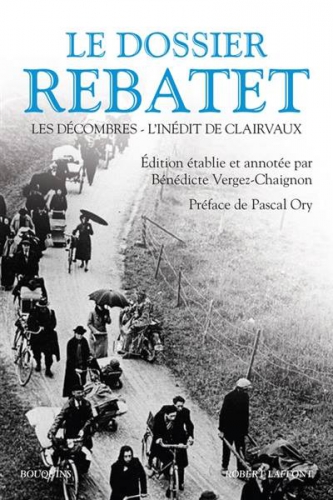
In his memoir, La Mazière relates how he and another newly commissioned officer decide to take a day trip to the castle. It is February 1945, they have just completed Waffen SS training, and will soon be shipped out to the Eastern Front. They take a train to Sigmaringen, imagining that they’ll present themselves for the approval of Petain and Leval. They climb the hill to the castle . . . but no luck. The guards tell them the Maréchal and Minister aren’t taking social calls. On their way down from the castle they spot Céline and his wife in the street, walking with fellow collabo Lucien Rebatet. La Mazière wants to stop and chat with them, but his companion won’t be detained; he’s too spooked by the whole place. And so they hurry on to lunch.[8]
Notes
1. http://realitystudio.org/scholarship/henry-miller-and-william-burroughs-an-overview/ [3], http://ginsbergblog.blogspot.com/2014/05/louis-ferdinand-celine-1894-1961.html [4]
2. https://archive.org/stream/BagatellesPourUnMassacre/bagat_djvu.txt [5]
3. Guardian Books Blog, 31 Jan 2011: http://www.theguardian.com/books/booksblog/2011/jan/31/celine-great-author [6]
4. L’Express, 21 Jan 2011: http://www.lexpress.fr/culture/livre/quand-sarkozy-celebrait-celine_954362.html [7]
5. http://art-nerd.com/newyork/west-8th-street/ [8]
6. http://www.lepetitcelinien.com/2012/09/louis-ferdinand-celine-semmelweiss.html [9]
7. Merlin Thomas, Louis-Ferdinand Céline. (New Directions Publishing, 1980.)
8. Christian de la Mazière, The Captive Dreamer (1974); Henry Rousso, Petain et la fin de la colaboration: Sigmaringen, 1944-1945. (Bruxelles: Editions Complexe, 1984.)
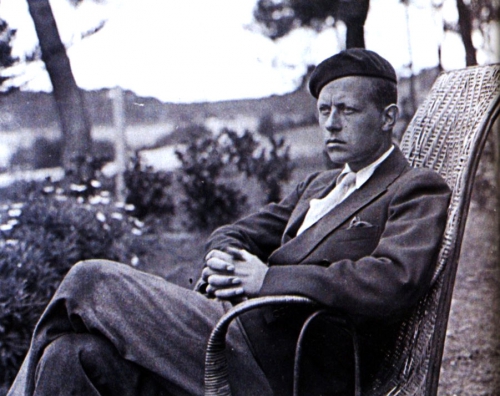
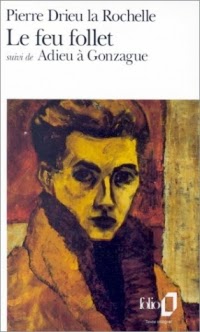 Di recente è uscita una sua biografia a firma di Antonio Serena, Drieu aristocratico e giacobino, per i tipi della Settimo Sigillo, nota casa editrice di estrema destra. Tuttavia è doveroso strappare questo cattivo maestro alle opposte tifoserie politiche per consegnarlo al posto che merita. Pierre Drieu la Rochelle, nato nel 1893 a Parigi in una famiglia piccolo borghese e nazionalista di antica fede napoleonica, è uno dei figli migliori della generazione perduta. E’ vissuto tra le due guerre: è stato ferito nella prima e si è tolto la vita sul finire della seconda, per l’esattezza il 15 marzo 1945, dopo aver ingerito una dose letale di Fenobarbital. Tutto ciò che lo riguarda, come letterato e come uomo, è accaduto durante quella pace “fatua” andata in scena a Parigi tra le due guerre. Amico di Louis Aragon e André Malraux, dei dadaisti e dei surrealisti, dandy delle serate alla moda, marito fallimentare, amante di donne piacenti e ricche, Drieu in fondo è passato nel secolo breve senza legarsi ad alcuno, fedele alla sua spietata coerenza.
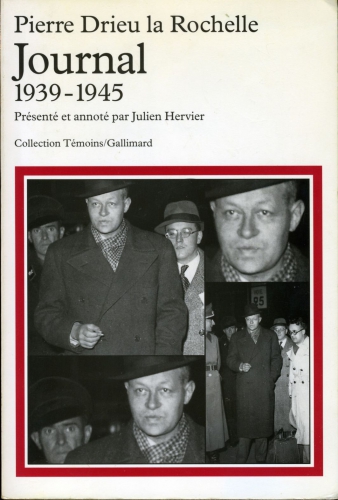 L’opera di Drieu è una scomoda riflessione sul togliersi la vita. E tutto ciò con il senno di poi sembra rispecchiare la crisi autolesionistica che attraversa l’Occidente. Il bello è che lui credeva nell’immortalità dell’anima, anche se in senso più induista che cristiano. Accanto al suo cadavere fu trovata una copia delle Upanishad. Drieu aveva cercato, affacciandosi alla filosofia, al cristianesimo, infine alle tradizioni dell’estremo oriente, senza trovare una via d’uscita. La sua letteratura dice questa ricerca. Dalle Memorie di Dirk Raspe, in cui racconta Vincent Van Gogh, grande suicida, a Fuoco Fatuo, in cui la morte dello scrittore surrealista Jacques Rigaut, suo sodale, è il presupposto per scrivere di getto i pensieri di un uomo incapace di appartenere alla realtà e di amare perché “non può toccare niente” e soltanto la pistola è finalmente reale, un oggetto solido attraverso cui realizzare finalmente qualcosa di tangibile. Ed eccolo, terribile e crudele, l’unico atto possibile per chi non ha più ideali né dei. Stiano zitti i medici, semmai a chi vuole leggere Drieu consiglino di tenere a portata di mano un flacone di antidepressivi, ma per carità non lo si liquidi con l’etichetta del depresso.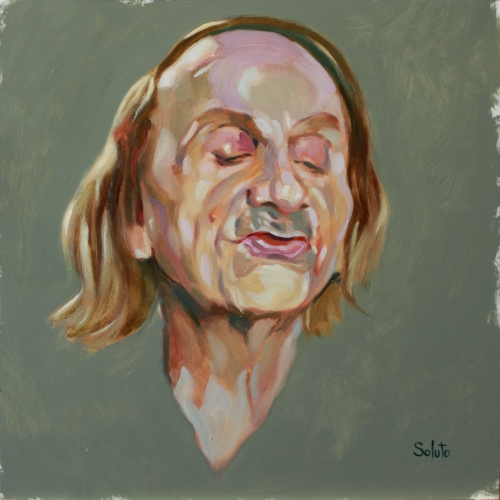
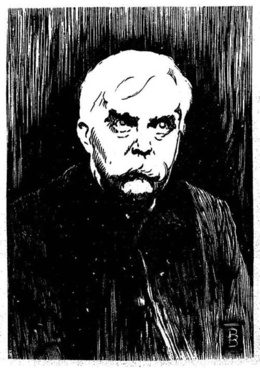 C'est à la date du 9 janvier 1900 que Léon Bloy recopie dans son Journal Le Siècle des Charognes, paru le 4 février de la même année dans le cinquième, et dernier, numéro de Par le scandale. Le texte est dédié à «quelqu'un» sur lequel Bloy ne souffle mot, puisqu'il a dû cesser à cette date d'être l'ami du mendiant ingrat, en fait un certain Édouard Bernaert, poète belge qui fut ami de Léon Bloy, et créateur de l'éphémère revue en question.
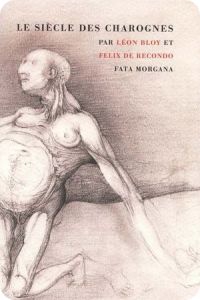 Comme il serait réjouissant, tout de même, qu'un moderne contempteur de baudruches pieuses, crevant de honte à l'idée que, lui-même catholique et pourtant «forcé d'obéir au même pasteur» (p. 18) que les ouailles dégoulinantes de mansuétude, devrait bien finir par reconnaître que les catholiques français, ces cochons, sont bel et bien ses frères ou, du moins, précise immédiatement Léon Bloy, ses «cousins germains» (p. 17), comme il serait drôle et intéressant qu'un tel butor évangélique ose affirmer que les ouvrages publicitaires de Fabrice Hadjadj ne sont rien de plus qu'une amélioration toute superficielle du catéchisme délavé qu'il a pieusement écouté (d'une seule oreille) lorsqu'il était petit, ou bien que
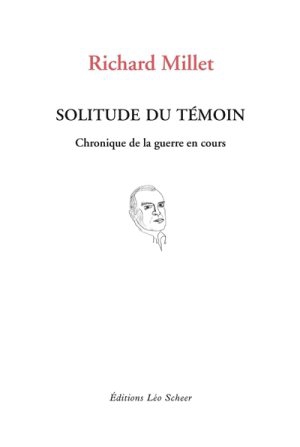 Richard Millet est classé à l'extrême-droite par ceux qui ne l'ont pas lu et se permettent de le juger. C'est le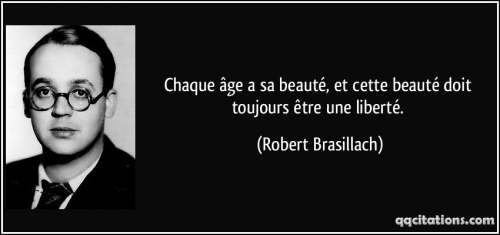
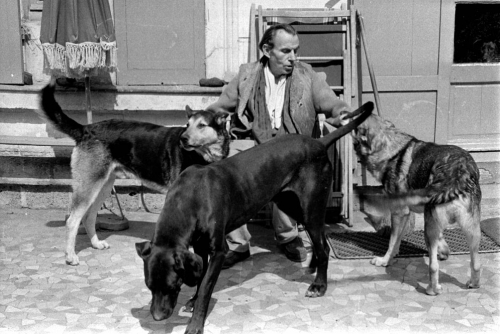
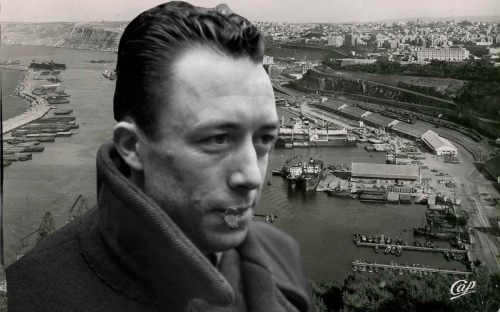
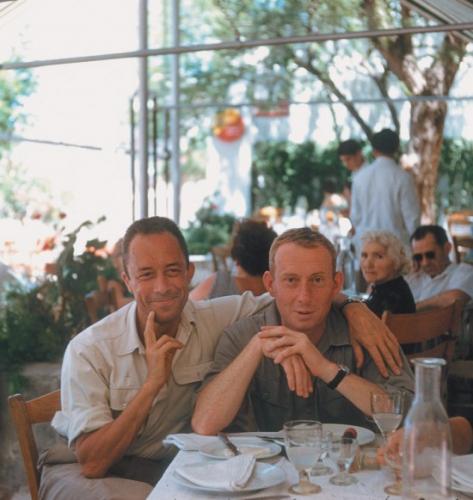
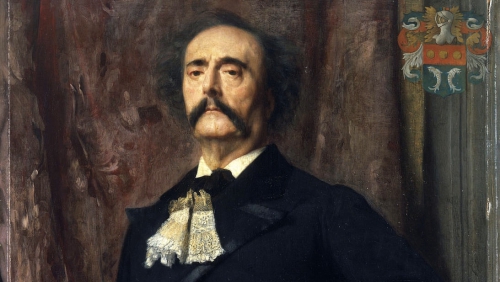

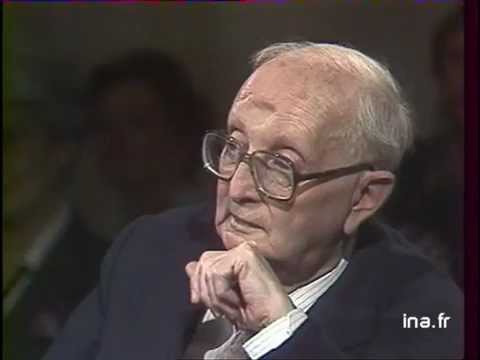
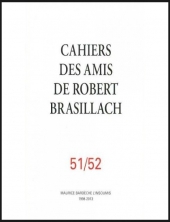 Polémiste, écrivain politique, critique littéraire, Maurice Bardèche (1907-1998) a été tout cela. Son image reste sulfureuse. Elle l’est même beaucoup plus que dans les années 1950, preuve que nous avons fait un grand pas vers le schématisme, l’intolérance et l’inculture. Philippe Junod, aidé de sa femme, a voulu mieux faire connaître celui qui fut le beau-frère et l’ami de Robert Brasillach mais qui avait, bien entendu, son tempérament, ses goûts et son histoire propres. Le pari de mieux connaître Bardèche est tenu dans le cadre des
 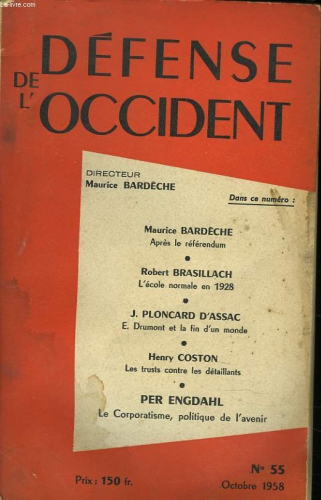 Bardèche était non pas un homme de concepts mais un homme de principes. Il été pionnier en maints domaines dans une large mouvance intellectuelle : la critique de la « conscience universelle », c’est-à-dire l’appareil idéologique du nouvel ordre mondial américain, le refus de l’uniformisation planétaire par le règne des marchands, le souci de la liberté des peuples et de la continuité de ceux-ci qui doivent rester fidèles à leurs instincts (thèse assez rousseauiste), l’appel à l’indépendance de l’Europe. Pour des raisons parfaitement évidentes, il était conscient de ne pouvoir être à la bonne distance pour juger de l’action du général de Gaulle. Aussi demandait-il des avis autour de lui. Il faisait partie de ceux qui, à tort ou à raison (je m’interroge moi-même), ne prenait pas au sérieux la troisième voie gaullienne.